

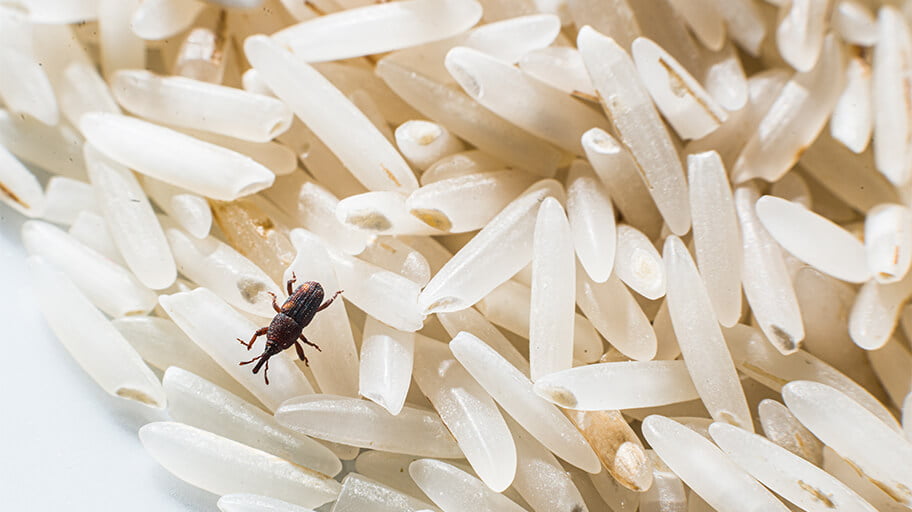
Many homeowners in Little Elm who find small insects in flour, cereal, or pet food may wonder if this issue deserves attention. Pantry pests may look harmless, but they can be a frustration and can lead to food waste. Also, they may indicate habits that allow an infestation to grow. Fortunately, homeowners dealing with these pests can call Romney Pest Control whenever they need help in controlling them.
Pantry pests include insects that feed on stored food products. Common examples in Little Elm homes include Indian meal moths, rice weevils, grain beetles, and flour beetles. These pests target dry goods such as pasta, rice, cereal, baking mixes, and snacks. They may enter homes hidden inside packaged foods from grocery stores. They spread to nearby items and settle in shelves or cracks within cabinets.
Why Pantry Pests Thrive in Little Elm Homes
Little Elm has warm weather for much of the year, which helps pantry pests survive and reproduce indoors. Kitchens provide steady temperatures and easy access to food. Busy households may store bulk items, pet food, or seasonal baking supplies for long periods. These products may sit untouched, giving pests time to multiply.
Signs That Pantry Pests Are Present
Many homeowners may overlook early signs of pantry pests. These signs include small beetles in cabinets, web-like material near food packages, or moths near lights. Some people notice tiny holes in packaging or clumps in flour and grains. Larvae may appear as small worm-like insects inside food containers. Sadly, pests may have already spread beyond one item once their activity is detected.
How Pantry Pests Can Affect Food Safety
Pantry pests do not bite or sting, but they contaminate food. Insects leave droppings, shed skins, and webbing behind. Consuming infested food poses health concerns, especially for those with sensitivities. Also, food waste can be an issue. Homeowners often discard large amounts of stored goods during cleanup.
Why Ignoring the Problem Makes It Worse
A small group of pantry pests can grow into a larger infestation within weeks. These insects can spread to new shelves and nearby rooms when the early signs are ignored. The longer the delay, the more effort it takes to regain control.
Seasonal Patterns of Pantry Pests in Little Elm
Pantry pest activity may spike during warmer months, but indoor infestations may persist year-round. Summer heat speeds up reproduction, while mild winters allow pests to survive indoors. Also, holidays, can be a factor. Baking supplies and specialty foods often remain stored for months. These items may not receive regular checks, which gives pests time to establish a foothold.
Storage Habits That Invite Pantry Pests
Original packaging does little to block insects. Thin cardboard and plastic bags allow pests to chew through easily. Open boxes and loosely sealed containers provide easy access.
In addition, spills and crumbs inside cabinets can contribute to the problem. Small amounts of food support pantry pest survival. Cluttered shelves can make it harder to spot early signs of infestation.
Steps That Reduce the Risk of Pantry Pests
Airtight containers made of glass or thick plastic keep pests out and protect food quality. Homeowners can label containers to track purchase dates and reduce long-term storage.
Regular pantry checks catch problems early. People should wipe shelves, vacuum corners, and remove expired items to limit food sources for pantry pests. They should also keep pet food sealed.
Professional Help and Long-Term Control
Professionals identify pest species and tailor solutions based on behavior. Treatment may involve targeted methods. This approach protects food areas and reduces risk to households.
Long-term control focuses on prevention. This includes sealing cracks, improving storage habits, and monitoring high-risk areas. Many Little Elm homeowners choose routine inspections to maintain peace of mind.