
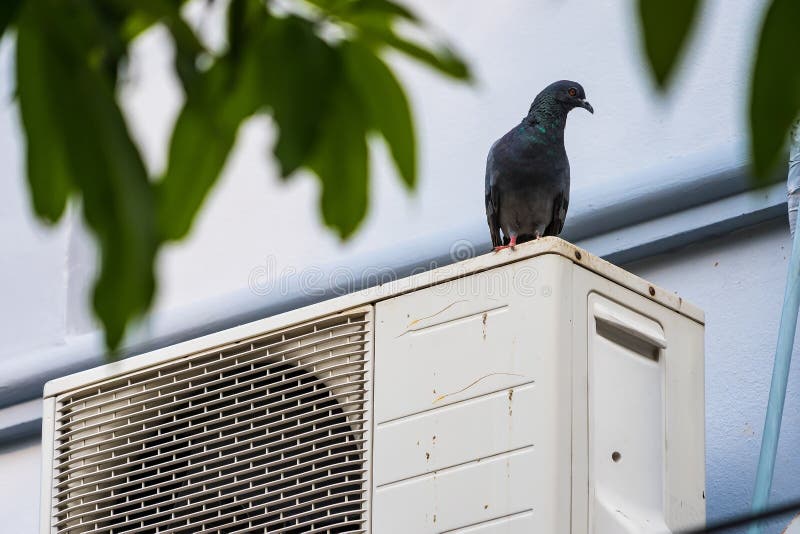
Pigeon infestations pose a growing challenge for Arlington residents and businesses, where urban structures provide ideal roosting spots. Professional intervention from Green Pest Services can address these issues humanely and effectively from the outset.
Health Risks from Pigeon Infestations in Arlington
Pigeon droppings and feathers in dense neighborhoods harbor over 60 pathogens, turning ledges and rooftops into health risks. Dried droppings release airborne spores that cause histoplasmosis, a respiratory illness with symptoms like fever, cough, and chest pain.
Arlington’s humid climate and older buildings amplify these risks, with bacteria like Salmonella and E. coli transmissible via HVAC systems or water runoff. Vulnerable groups like children, seniors, and the immunocompromised face heightened dangers, including ornithosis and allergic reactions from parasites like bird mites.
- Respiratory threats: Inhalation of guano dust causes aspergillosis, worsening asthma in Arlington’s 10% allergy-prone population.
- Infection vectors: Open wounds exposed to droppings risk psittacosis or salmonellosis, with pus-filled inflammation leading to sepsis if untreated.
- Long-term damage: Chronic exposure erodes lung function, particularly in Arlington workers cleaning commercial roofs without protection.
Local health departments in Tarrant County report rising cases tied to urban pigeon surges, urging immediate cleanup to prevent outbreaks.
Property Damage in Arlington’s Urban Landscape
Beyond health, pigeons erode Arlington’s infrastructure, with acidic droppings corroding AT&T Stadium-adjacent facades and residential siding at a rate of 1-2 millimeters annually. Nests clog gutters on homes near UT Arlington, causing water damage costing homeowners $1,500 on average per incident. Feathers and debris mat roofs, promoting mold in Arlington’s frequent rains.
Identifying Pigeon Hotspots in Arlington
Arlington’s mix of entertainment venues, universities, and highways attracts pigeons seeking food and shelter.
- High-traffic ledges at Six Flags Over Texas and Globe Life Field.
- Rooftops of strip malls along I-20 and Cooper Street.
- Balconies in apartment towers near downtown Arlington.
Humane Prevention Methods for Arlington Homes
Prevent re-infestation by eliminating attractants without harm.
- Block access: Install stainless-steel spikes on ledges (3-4 inches apart) and bird netting over vents, effective for 95% of Arlington eaves.
- Repel naturally: Apply non-toxic gels like Bird Free on rafters; pigeons avoid the reflective hologram strips mimicking predators.
- Remove food: Secure trash bins near Arlington parks and discourage feeding at Neighborhood Lake Park.
Professional Removal Techniques Tailored to Arlington
For severe infestations, DIY fails against Arlington’s resilient flocks. Experts use radar-assisted trapping at night, relocating birds to rural Tarrant County sites. Egg replacement with dummies halts breeding cycles, while ultrasonic devices disrupt roosting near noisy venues like Texas Live!.
- Initial survey: Inspect for nests under solar panels common in sunny Arlington suburbs.
- Exclusion installation: Polypropylene netting covers 100-foot roofs seamlessly.
- Follow-up: Monthly checks prevent 90% recurrence, per local pest logs.
Cleanup Protocols for Safe Arlington Properties
Post-removal, decontaminate thoroughly.
- Wear PPE: Gloves, goggles, and respirators during guano vacuuming with HEPA filters.
- Disinfect: Use 10% bleach solutions on surfaces, rinsing after 10 minutes.
- Monitor air: Test for fungal spores in enclosed Arlington garages.
Tarrant County guidelines mandate professional biohazard handling for accumulations over one cubic foot.
Long-Term Strategies for Pigeon-Free Arlington Neighborhoods
Community efforts amplify success: Arlington’s code enforcement fines illegal feeding, while solar-powered bird deterrents on public buildings set examples. Residents near campuses like UT Arlington report 70% drops in flocks after collective barrier installations. Integrate landscaping with thorny shrubs under windows to deter ground foraging.
Pair methods for results: Spikes plus gels reduce populations by 85% within months. Consult local ordinances before installations to comply with Arlington’s historic district rules.
Pigeon infestations threaten Arlington’s health and aesthetics, but targeted action restores safety. Act swiftly to protect families and properties in this vibrant Texas city.