

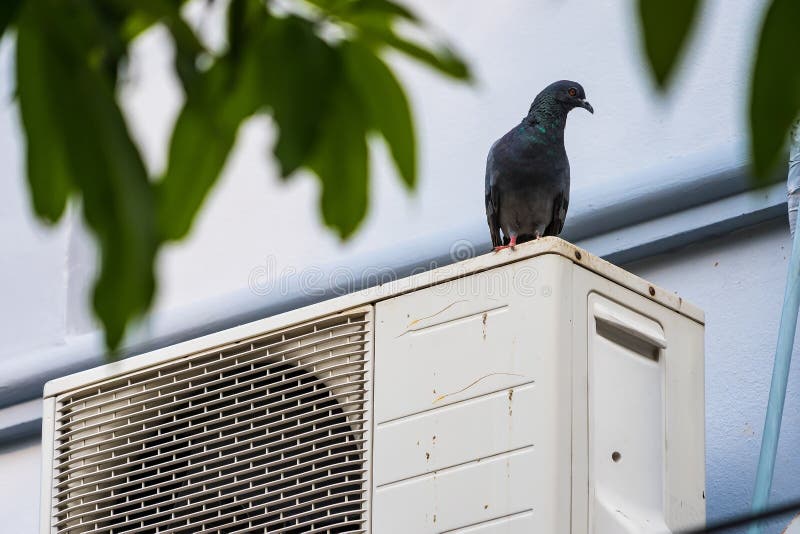
Pigeon infestations pose a growing challenge for Arlington residents and businesses, where urban structures provide ideal roosting spots. Professional intervention from Green Pest Services can address these issues humanely and effectively from the outset.
Health Risks from Pigeon Infestations in Arlington
Pigeon droppings and feathers in dense neighborhoods harbor over 60 pathogens, turning ledges and rooftops into health risks. Dried droppings release airborne spores that cause histoplasmosis, a respiratory illness with symptoms like fever, cough, and chest pain.
Arlington’s humid climate and older buildings amplify these risks, with bacteria like Salmonella and E. coli transmissible via HVAC systems or water runoff. Vulnerable groups like children, seniors, and the immunocompromised face heightened dangers, including ornithosis and allergic reactions from parasites like bird mites.
- Respiratory threats: Inhalation of guano dust causes aspergillosis, worsening asthma in Arlington’s 10% allergy-prone population.
- Infection vectors: Open wounds exposed to droppings risk psittacosis or salmonellosis, with pus-filled inflammation leading to sepsis if untreated.
- Long-term damage: Chronic exposure erodes lung function, particularly in Arlington workers cleaning commercial roofs without protection.
Local health departments in Tarrant County report rising cases tied to urban pigeon surges, urging immediate cleanup to prevent outbreaks.
Property Damage in Arlington’s Urban Landscape
Beyond health, pigeons erode Arlington’s infrastructure, with acidic droppings corroding AT&T Stadium-adjacent facades and residential siding at a rate of 1-2 millimeters annually. Nests clog gutters on homes near UT Arlington, causing water damage costing homeowners $1,500 on average per incident. Feathers and debris mat roofs, promoting mold in … Read More